
There’s a quiet magic in transforming a handful of simple ingredients into something extraordinary. A truly great homemade hummus recipe delivers a cloud-like texture and bold, balanced flavor that make the supermarket tub pale in comparison. It’s the difference between a good snack and a culinary experience.
If you’ve ever wondered how to make hummus at home that rivals your favorite restaurant, or why your past attempts have been grainy or bland, you’ve found your roadmap. This guide is more than a recipe; it’s a masterclass in technique. We’ll walk you through every step to create the best homemade hummus recipe, ensuring success every single time.
Master this easy hummus recipe and unlock endless meal possibilities. Enjoy it as a protein-rich snack, a flavorful spread, the base for vibrant hummus bowls, or the centerpiece of a hummus board. Learn the core method, and you’ll make batch after batch.
Why This Homemade Hummus Recipe Is Worth Saving
Before proceeding with the steps, understand why this method matters. It’s knowledge you’ll keep and use for years—reliable, simple, repeatable.
- Get restaurant-quality texture. This method delivers smooth, creamy, whipped hummus—never gritty or pasty.
- Total Control & Freshness: Choose your ingredients. This homemade hummus has no preservatives, excess oil, or artificial flavors. Adjust the garlic, lemon, and tahini to taste.
- Save money. Chickpeas and tahini cost less than store-bought hummus. Homemade means affordable and healthy.
- Astounding Versatility: Use this classic base as your canvas. Build endless hummus ideas, from appetizers to creamy dressing. Master this easy, useful hummus recipe.
- Fits Effortlessly into Your Routine: Spend just 10 minutes for meal prep, after-school snacks, or hosting guests. The process is simple, and the results are special.
- The Ultimate Make-Ahead: It tastes even better the next day and keeps beautifully for a week. Make a batch on Sunday and enjoy healthy hummus snacks and easy lunches all week long.
The Simple Secret to Silky Smooth Hummus
Many homemade hummus recipes tend to be slightly gritty or dense. The secret to a creamy classic hummus recipe isn’t a mysterious ingredient; it’s a simple, often-overlooked process.
The key is patience and proper emulsification. Start with very soft chickpeas; this is essential. For canned chickpeas, simmer them quickly with baking soda. This helps break down their skin, the primary source of grittiness.
First, blend tahini and lemon juice into a smooth, whipped paste. This creates a stable, creamy base for the chickpeas. The emulsion makes the texture ethereal.
Emphasizing order and blending time makes the difference between good and exceptional hummus.
Your Foolproof, Creamy Classic Hummus Recipe
This traditional hummus recipe sets you up for perfect results every time. Follow these steps for smooth, flawless hummus.
How to Make Ultra-Creamy Hummus at Home
This traditional hummus recipe sets you up for perfect results every time. Follow these steps for smooth, flawless hummus.
Ingredients
- 1 (15-oz) can chickpeas, or 1 ½ cups cooked chickpeas
- ½ teaspoon baking soda (if using canned chickpeas)
- ⅓ cup (80ml) fresh lemon juice (from 1-2 large lemons)
- 1 large clove of garlic, roughly chopped
- ½ teaspoon fine sea salt
- ½ cup (120ml) well-stirred tahini
- ¼ teaspoon ground cumin (optional, but recommended)
- 2-4 tablespoons ice water
- For serving: Extra-virgin olive oil, paprika, chopped parsley
Instructions
- Prep the Chickpeas (The Texture Secret): Drain and rinse the canned chickpeas. To get the smoothest texture, add them to a small saucepan with baking soda and cover with water. Bring to a boil. Simmer for 15-20 minutes, until chickpeas look bloated and skins are falling off. Drain and rinse under cool water. Gently rub in a clean towel or between your fingers to remove most loose skin. This step is the game-changer.
- Create the Tahini Emulsion: In the bowl of a food processor, combine the lemon juice, garlic, and salt. Process for 30 seconds until the garlic is minced. Let it sit for a minute to mellow. Add tahini and cumin (if using) to the processor. Process for 60 seconds. The mixture will thicken, then become smooth and pale. Scrape the sides as needed. This emulsion creates your creamy base.
- Blend to Perfection: Add the peeled, cooked chickpeas to the tahini mixture. Process for 2-3 minutes, scraping down the bowl halfway through. The mixture will be very thick.
- Thin to the Perfect Consistency: With the processor running, slowly stream in 2 tablespoons of ice water. Process for another 1-2 minutes. Check the consistency; it should be ultra-smooth and creamy. If it’s still thick, add more ice water, one tablespoon at a time, until it reaches a perfectly creamy, spreadable, fluffy hummus.
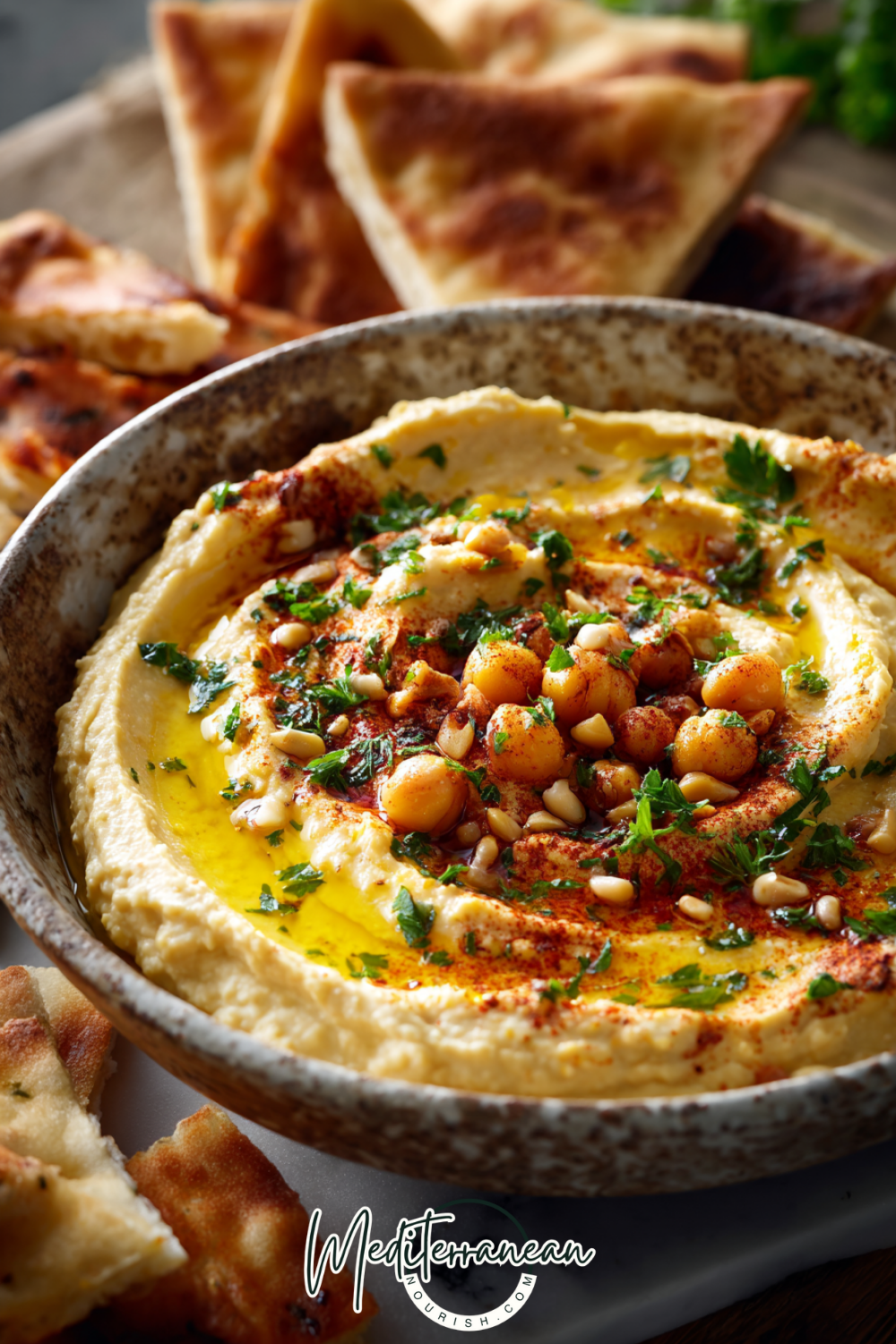
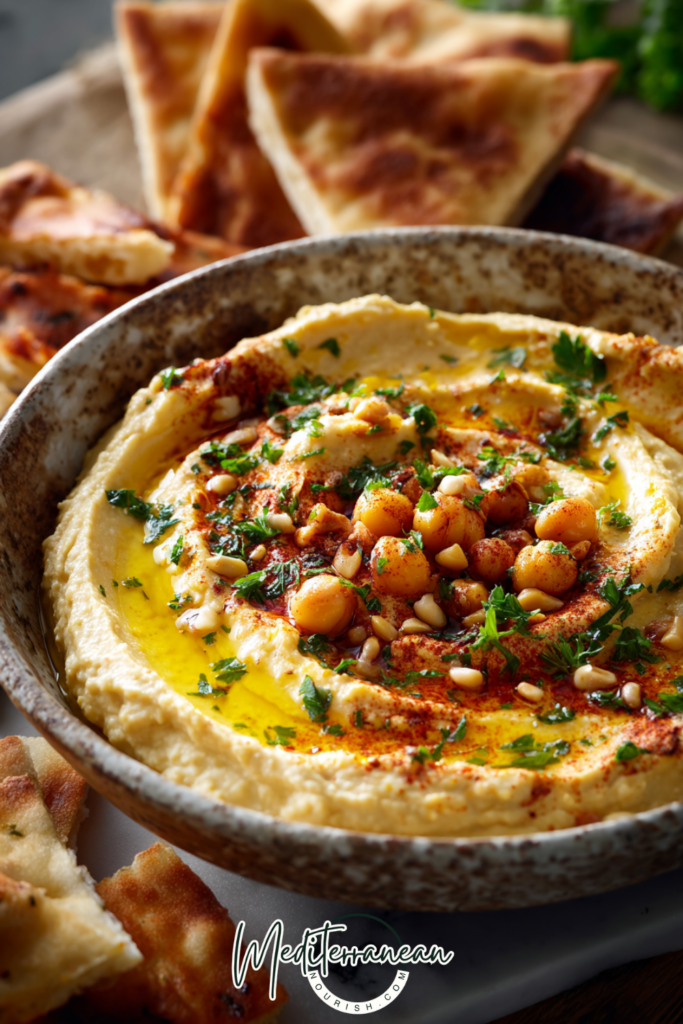
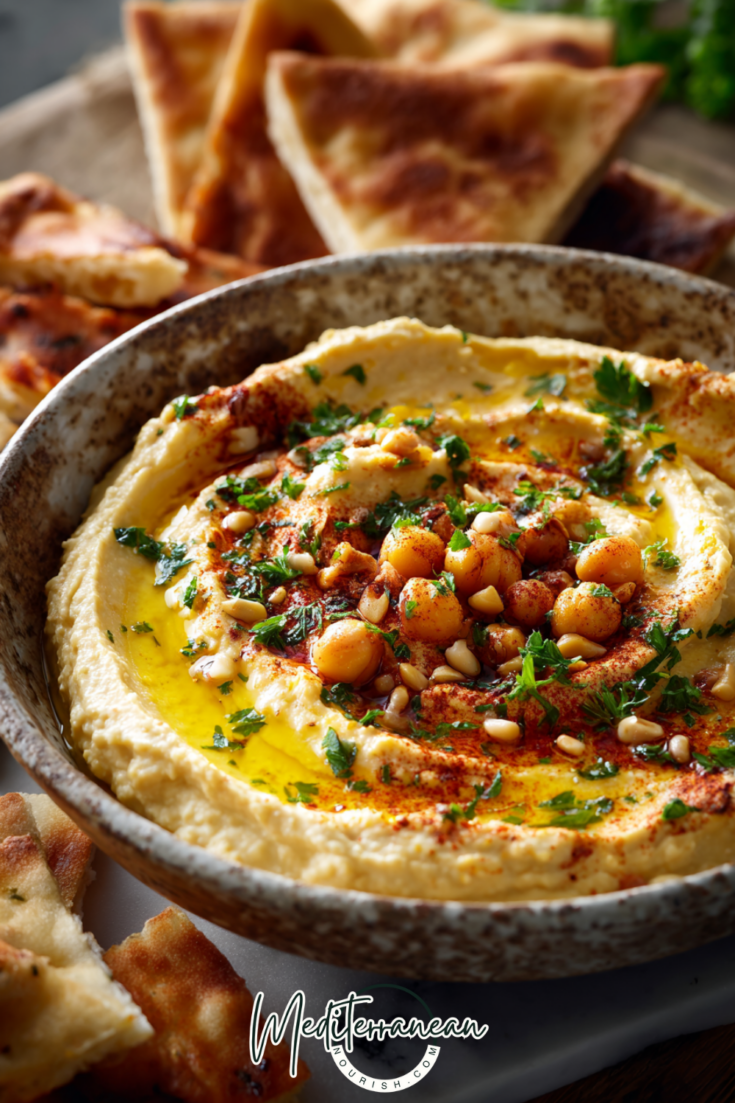
- Season and Serve: Taste and adjust seasoning, adding more salt or lemon juice if needed. To serve, spread the hummus in a shallow bowl, create swirls with a spoon, and drizzle generously with olive oil. Sprinkle with paprika and parsley.
Nutrition Information:
Yield:
8Serving Size:
1Amount Per Serving: Calories: 129Total Fat: 9gSaturated Fat: 1gUnsaturated Fat: 8gSodium: 294mgCarbohydrates: 10gFiber: 2gSugar: 1gProtein: 5g
Nutritional information is an estimate provided for convenience. Actual values may vary based on ingredient brands and preparation methods. Please consult a professional for specific dietary or medical advice.
Flavor Variations to Make It Your Own
This is the best hummus recipe. Once you’ve mastered the classic, explore these hummus ideas to create new flavors and homemade delights.
- Roasted Red Pepper Hummus: Add ½ cup chopped roasted red peppers (pat dried) in step 3 with the chickpeas.
- Roasted Garlic Hummus: Replace the raw garlic clove with 4-5 soft, caramelized cloves from a roasted head of garlic.
- Spicy Harissa Hummus: Blend 1-2 tablespoons of harissa paste into the finished hummus for a smoky, spicy kick—perfect for hummus appetizers.
- Sun-Dried Tomato & Basil: Add ⅓ cup oil-packed sun-dried tomatoes (drained) and a handful of fresh basil leaves with the chickpeas.
- Beet Hummus: Blend in ½ cup cooked, chopped beets for a stunning magenta color and earthy sweetness.
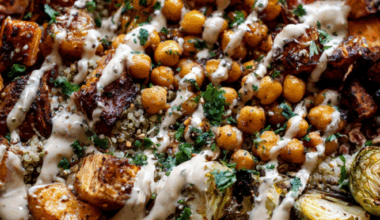
- “Fattet Hummus with Yogurt” Inspiration: For a deconstructed take, serve a scoop of hummus topped with warm spiced chickpeas, toasted pita chips, a dollop of garlicky yogurt, and pine nuts.
How to Serve: From Simple Snacks to Spectacular Spreads
Knowing how to make hummus at home opens up a world of culinary possibilities. Here are hummus ideas for every occasion.
- The Ultimate Hummus Board: Turn your homemade hummus into a centerpiece. Surround it with warm pita, fresh vegetables (carrots, cucumbers, peppers), olives, marinated feta, dolmas, and spiced nuts. This is the ultimate hummus appetizer solution for gatherings.
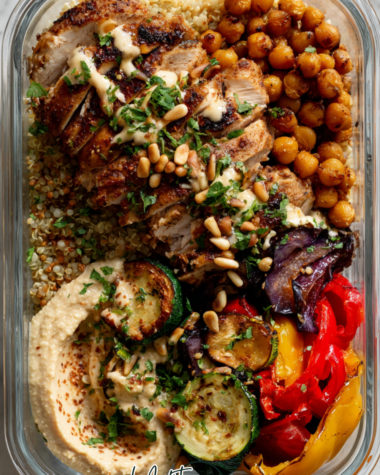
- Hearty Hummus Bowls: Create satisfying hummus bowl recipes. Start with a base of hummus, add a grain such as quinoa, roasted vegetables, a protein such as falafel, and fresh greens. Drizzle with tahini sauce.
- Everyday Hummus Snacks: Keep a batch on hand. Pair with sliced apples, celery sticks, crackers, or use as a flavorful spread on sandwiches instead of mayo.
- As a Vibrant Sauce or Dressing: Thin the hummus with extra lemon juice and water to create a creamy, protein-packed hummus dressing for salads or grain bowls.
Making Hummus a Weekly Habit
The real value of mastering this hummus recipe, a homemade approach, is how it seamlessly fits into a practical, healthy lifestyle. It’s a foundational kitchen skill that supports smarter eating all week long.
Consider making a double batch every Sunday. Here’s how one batch can work for you:
- Monday: After-school snack with carrot sticks.
- Tuesday: Spread in lunch wraps with turkey and spinach.
- Wednesday: Base for a quick hummus bowl with leftover roasted veggies and a fried egg.
- Thursday: Thinned with lemon juice as a salad dressing.
- Friday: Centerpiece of a casual hummus board for movie night.
Because the core ingredients are pantry staples, you can always whip up a fresh batch. This vegan hummus recipe is equally at home on breakfast toast, in a lunchbox, or as an elegant appetizer, making it one of the most versatile, easy-to-cook recipes you’ll ever own.
Expert Tips, Storage, and Common Questions
Pro Tips for Success:
- Tahini is Key: Use a good-quality, well-stirred tahini. Runny, separated tahini can lead to inconsistent results.
- Ice Water Magic: Using ice-cold water while blending is the secret to a light, fluffy emulsion. Room-temperature water won’t yield the same result.
- Blend, Blend, Blend: Don’t rush. Longer processing = smoother hummus. A high-powered blender (Vitamix hummus-style) works, but a food processor is ideal for whisking the tahini.
How to Store and Reuse:
Store homemade hummus in an airtight container in the refrigerator for 5-7 days. To prevent browning, press plastic wrap on the surface before sealing. If it thickens, stir in a teaspoon of water or lemon juice. Freeze up to 4 months, then thaw in the fridge and re-whip.
Frequently Asked Questions:
Can I use dried chickpeas instead of canned?
Yes, and many purists prefer them. Soak ½ cup dried chickpeas overnight, then simmer with baking soda until extremely tender (1-1.5 hours). The flavor and texture are superb.
Why is my hummus bitter?
Bitterness usually comes from old or low-quality tahini. Always taste your tahini first. The papery chickpea skins can also contribute bitterness, so removing them helps reduce it.
How do I make my hummus less thick?
Blend in more ice water, a tablespoon at a time, until you reach your desired consistency. For extra creaminess, some canned hummus recipes add a tablespoon of the chickpea liquid (aquafaba).
What’s the best appliance to use?
A food processor is ideal for creating the tahini emulsion. A high-powered blender can make very smooth hummus, but it may require more liquid and careful scraping.
Mastering this homemade hummus recipe is about gaining foundational kitchen knowledge—a simple technique that will serve you for years, making everyday meals better and special occasions easier.
It transforms a few pantry staples into a versatile base that elevates snacks, lunches, and dinners with minimal effort.
This guide provides a foolproof method, creative variations, and practical strategies to make hummus a rewarding part of your routine.
Whether you’re preparing a quick, easy hummus recipe for afternoon snacks, crafting an elaborate board for friends, or simply craving the authentic taste of the best hummus, this method is your reliable path to delicious success.
Keep this resource close. The process becomes second nature, and you’ll find yourself reaching for this recipe again and again. That’s the mark of truly useful kitchen wisdom: techniques that deliver consistent joy, meal after meal.